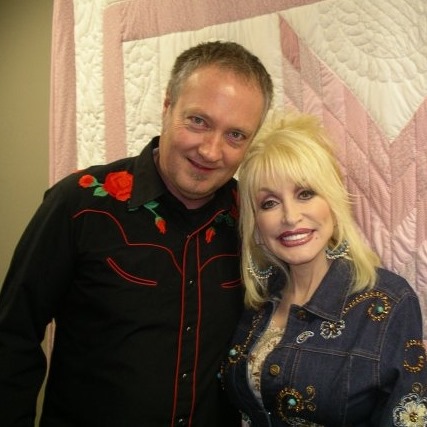
Koko Taylor lived up to her title as “the Queen of Chicago blues” by keeping the spirit of big-voiced brassy blues belters alive in a new era.
Her rough, raw rasp recalled early legends like Bessie Smith, Ma Rainey, Big Mama Thornton and Memphis Minnie and perfectly suited the swaggering new electrified era of the blues that began to attract a white audience in the mid-Sixties.
In 1965 Taylor’s massive hit, Wang Dang Doodle – a Willie Dixon song first recorded by Howlin’ Wolf five years previously – served notice that male dominance in the blues wasn’t exclusive.
Taylor was born Cora Walton in 1928 on a sharecropper’s farm in Memphis, Tennessee, and grew up with her siblings helping her father in the fields after her mother died when she was ten.
She began singing gospel music in a local Baptist church and also played blues on makeshift instruments, earning her nickname because of her love of chocolate.
In the mid-1950s Koko followed the well-worn route up the Delta from Memphis to Chicago after marrying a truck driver, “Pops” Taylor, and they settled on the South Side where she worked as a housemaid.
At night the couple would play blues songs together and frequented the bustling South Side blues clubs whenever they could, with Pops encouraging Koko to sit in with some of the bands.
Her singing, inspired not only by the classic female blues shouters but also male contemporaries like Muddy Waters and Howlin’ Wolf, quickly won the attention of discerning audiences, including blues legend Willie Dixon.
He caught her singing in 1962 and the legendary Chess Records songwriter/producer/bassist Willie Dixon was so impressed that he took her under his wing.
He produced her 1963 debut single, Honky Tonky, for the small USA label, then secured her a recording contract with Chess, where she was an instant success with the million-selling Wang Dang Doodle, written by Dixon (and released on the Chess subsidiary Checker).
It became her signature song forever after, and although none of her follow-ups sold as well, Taylor became one of the first Chicago blues artists to command a following on the city’s white-dominated North Side as blues began to reach a wider (and whiter) audience,
Eventually, she and her husband were able to quit their day jobs and he became her manager, assembling a backing band called The Blues Machine and releasing two albums – a self-titled debut in 1969 and the 1972 Basic Soul.
When Chess Records went under in 1975, Taylor signed with a then-young Chicago-based label called Alligator, which grew into one of America’s most prominent blues labels over the years.
Her popularity on the blues circuit kept growing in spite of the music’s commercial decline. In 1980, she won the first of an incredible string of W.C. Handy Awards (for Best Contemporary Female Artist), and over the next two decades, she would capture at least one more almost every year.
Tragedy struck in 1988. Taylor broke her shoulder, collarbone, and several ribs in a van accident while on tour and her husband went into cardiac arrest, dying several months later.
After recuperating, Taylor made a comeback at the annual Chicago Blues Festival, and in 1990 she made a cameo appearance in the David Lynch film Wild at Heart.
Koko Taylor died at the age of 80 in Chicago in June 2009 after complications from surgery for gastrointestinal bleeding.